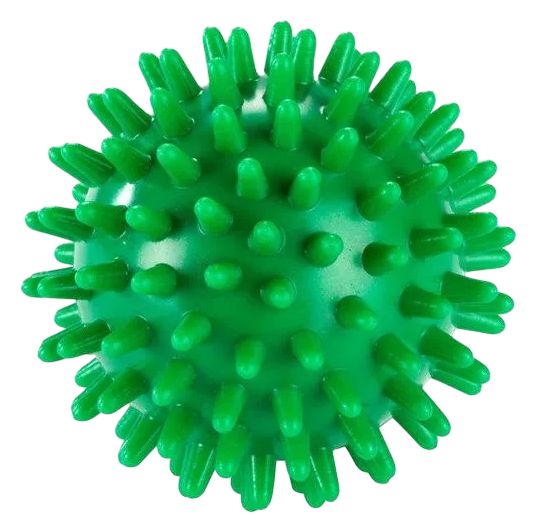
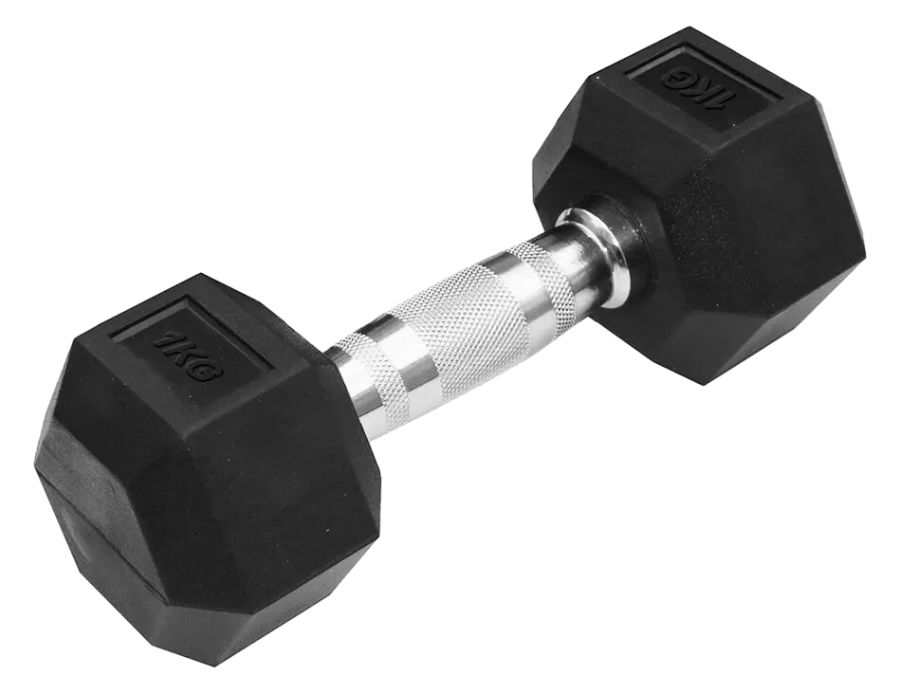
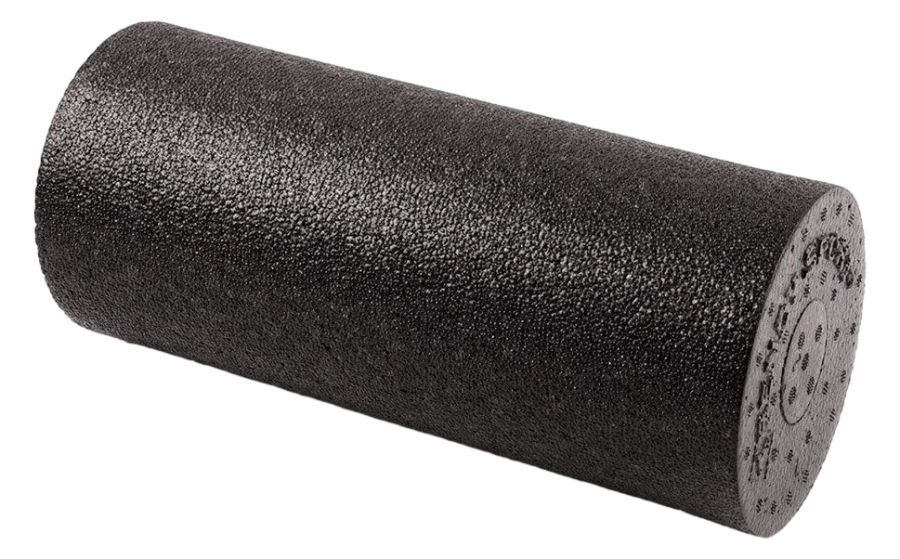
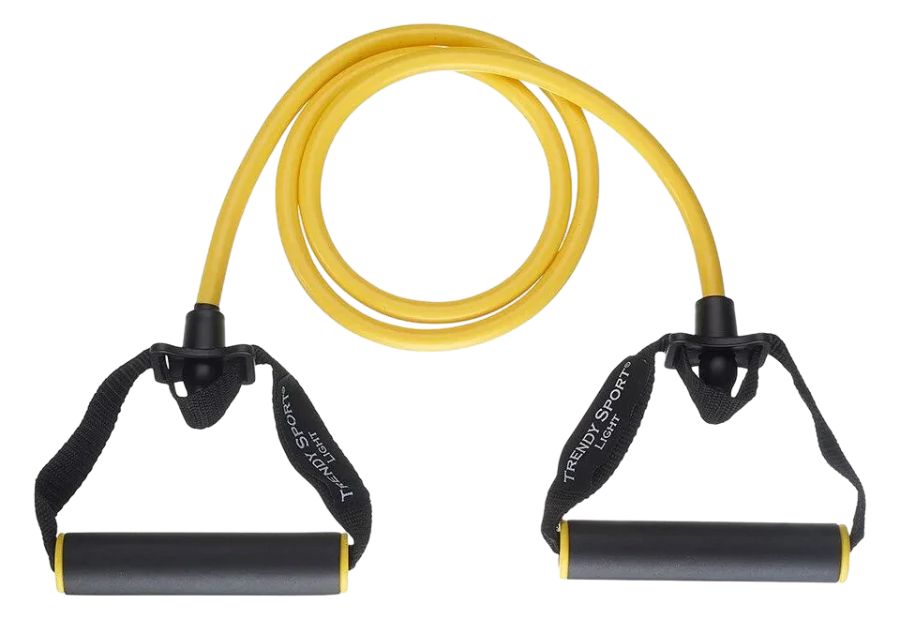
Fitness and Rehabilitation comprises training and support aids used in physiotherapy, practice, training and home exercises to promote movement, build strength, improve coordination and enhance body awareness. As a top-level category, it brings together various product groups: from elastic bands and mats to balls, weights and fascia tools. The choice depends primarily on the exercise objective, load capacity, available space, material and desired level of difficulty.
Which products belong to Fitness and Rehabilitation?
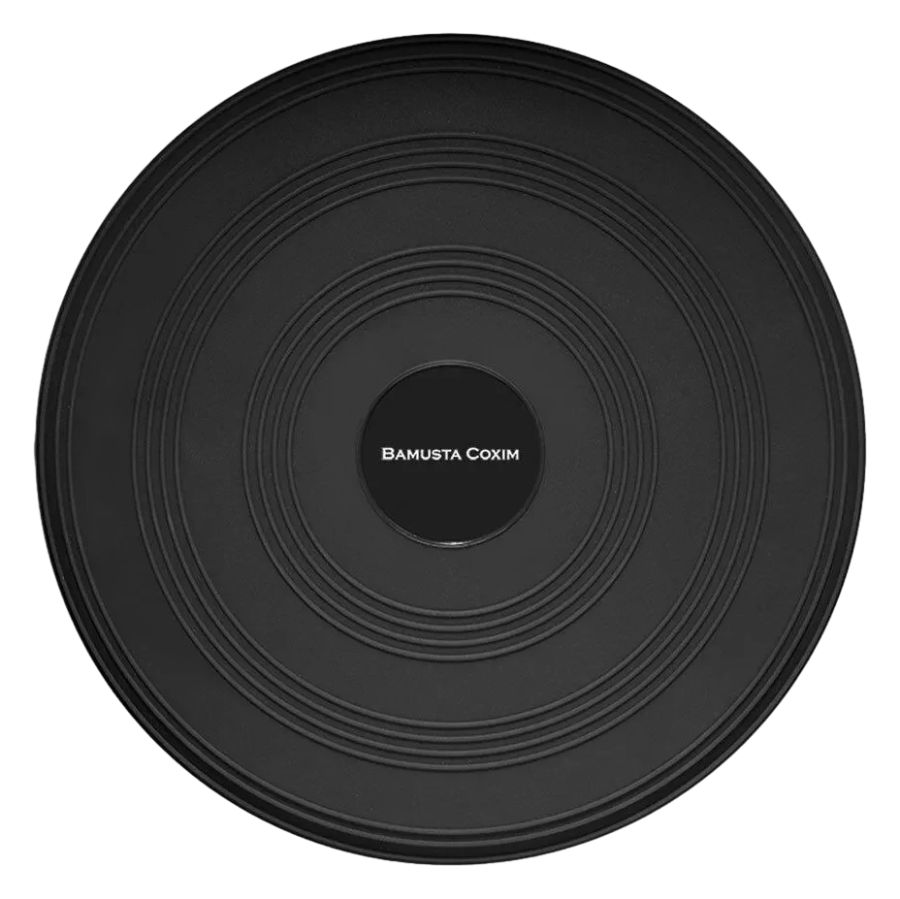
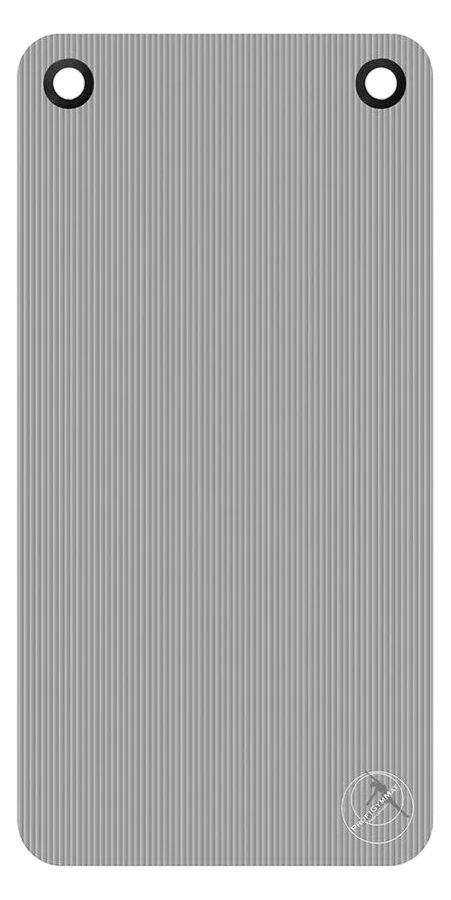
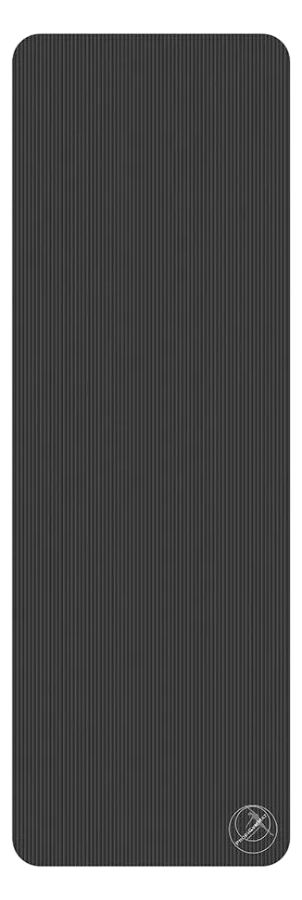
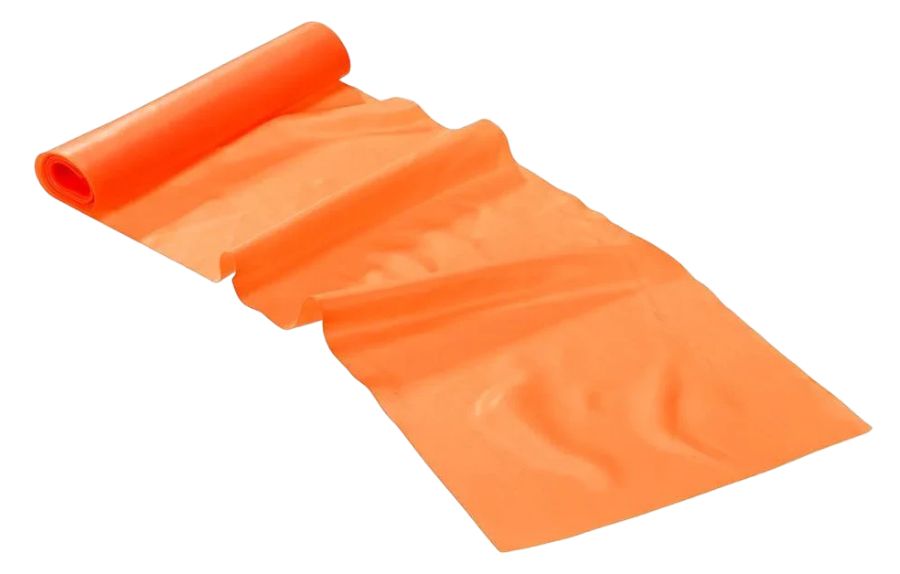
For getting started or for guided exercises, fitness bands are highly versatile, as they offer different levels of resistance depending on the version and require little space. For balance, stability and sensorimotor exercises, products from the coordination training range are suitable, for example balance pads. Surfaces such as fitness mats provide a cushioned training surface for floor exercises, mobilisation or stretching.
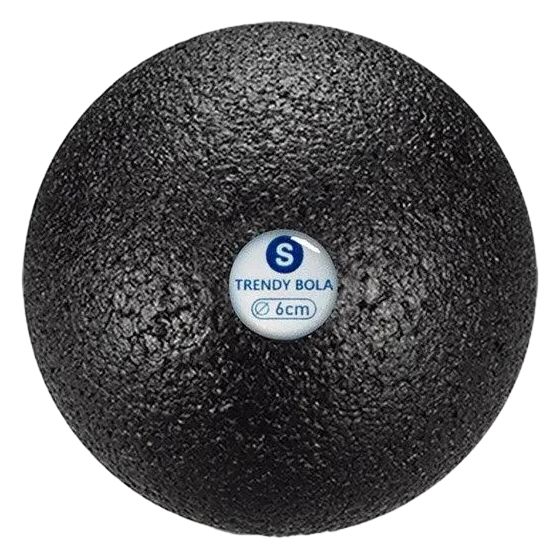
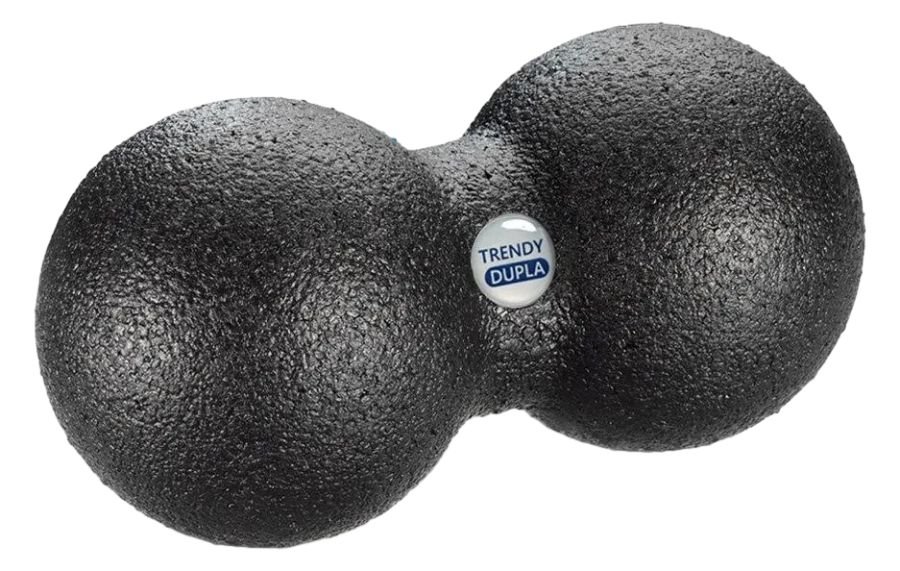
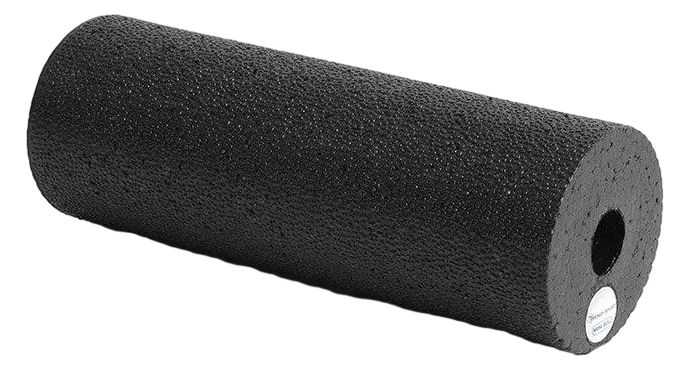
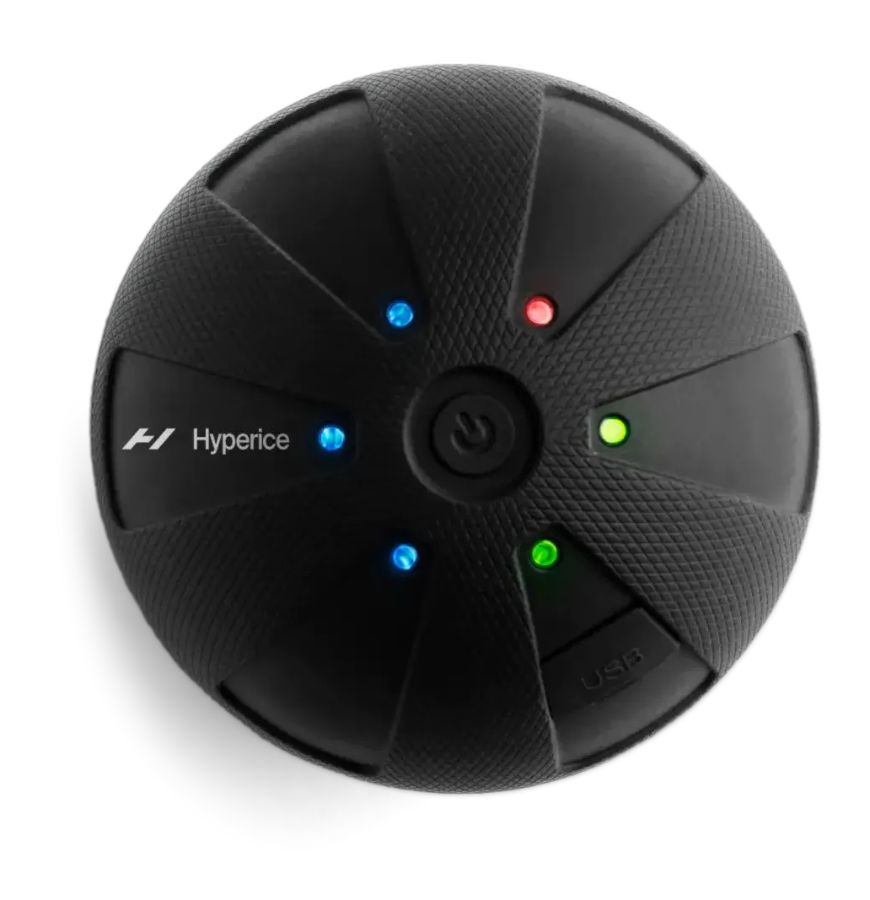
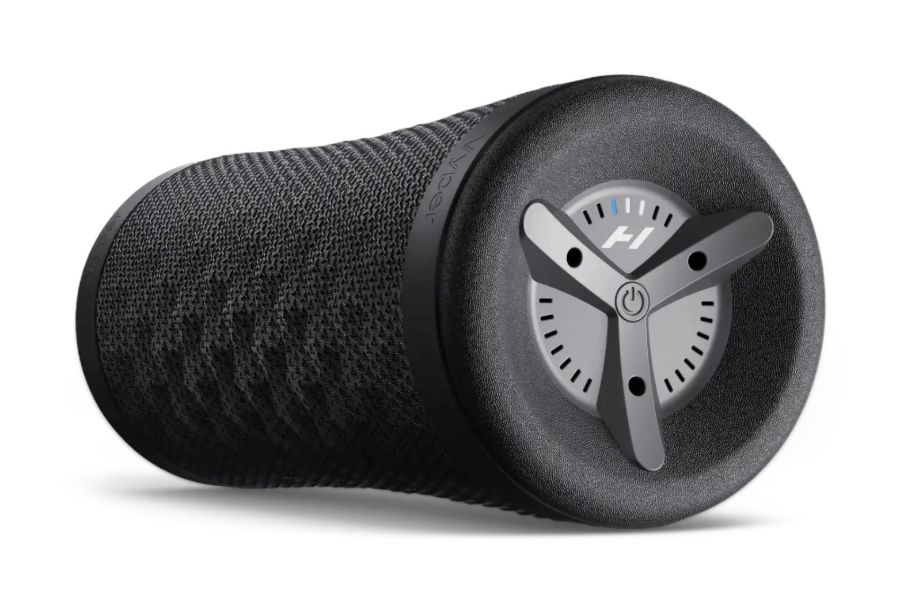
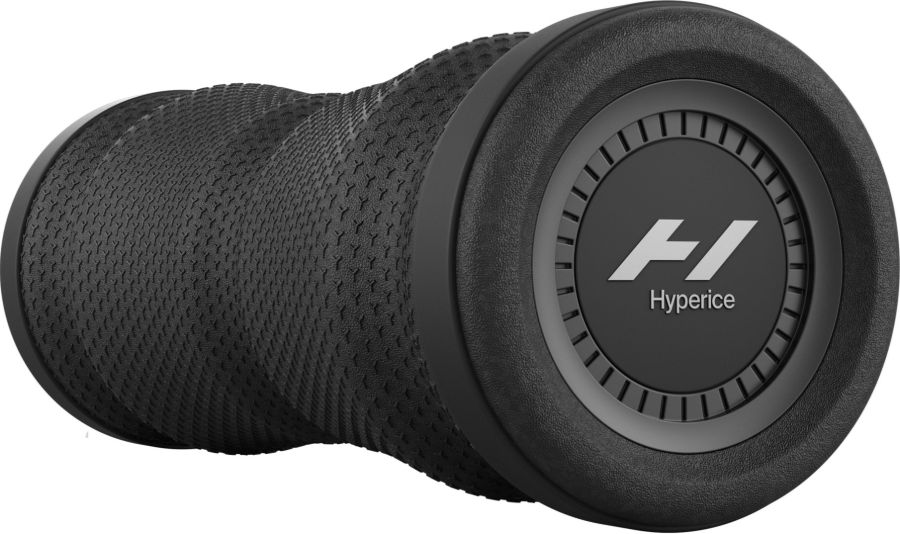
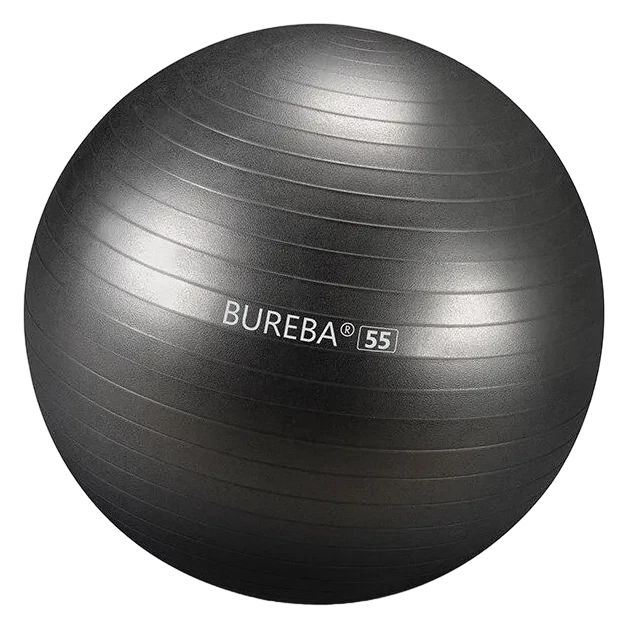
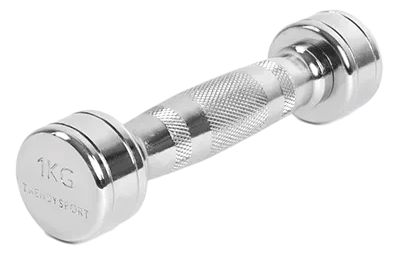
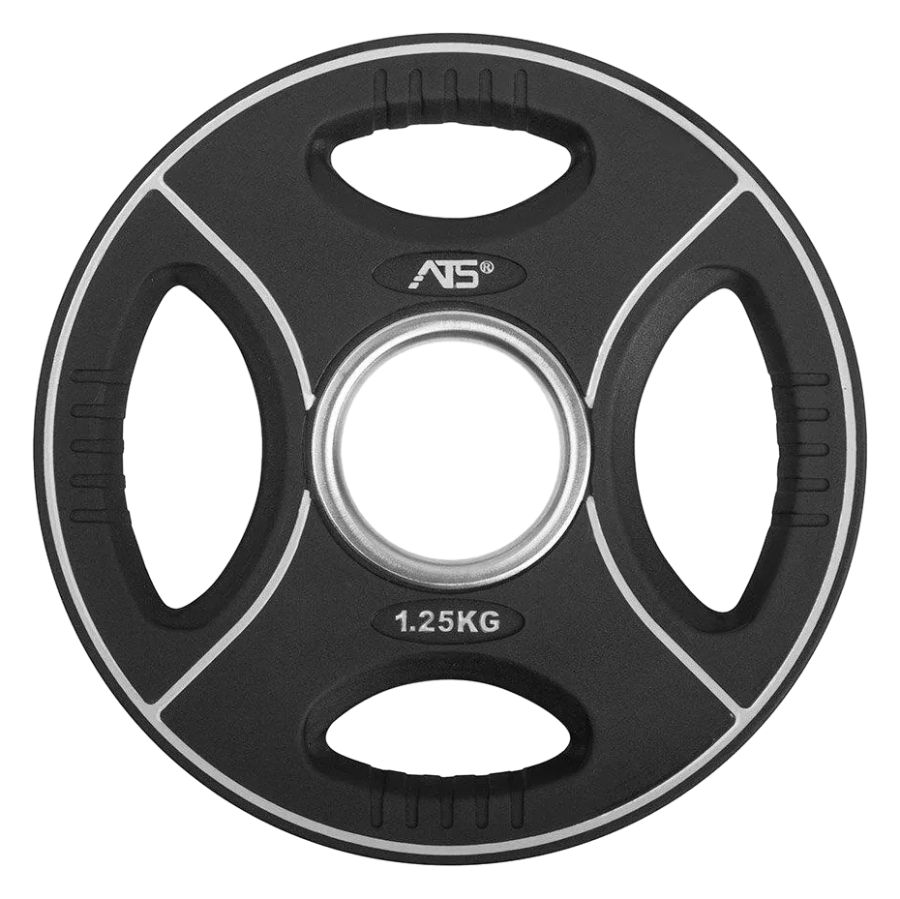
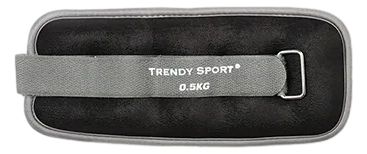
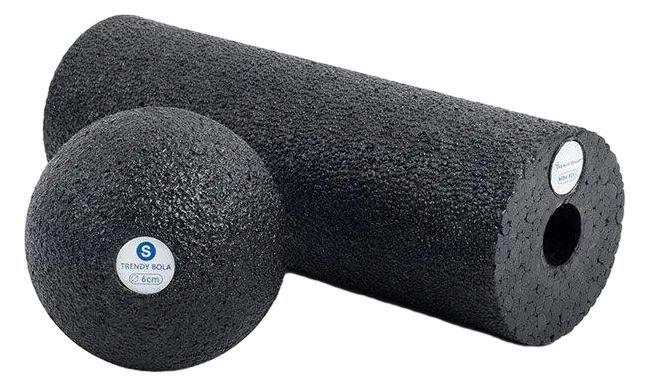
If the training is more focused on strength and increasing load, weights such as dumbbells, kettlebells or storage accessories are worth considering. Exercise balls and medicine balls expand the range of exercises for core stability, coordination and functional movement patterns. Fascia tools such as balls or rollers are frequently used for self-application as part of mobility and awareness exercises.
Selection criteria for practice, therapy and home training
With Fitness and Rehabilitation, it is not only the type of product that is decisive, but also the right version. A mat should suit your body size and intended use; material, thickness and cushioning affect comfort and stability. For balance pads, dimensions, height, foam quality and maximum load are important. For dumbbells or kettlebells, weight, grip, surface and storage matter. In practices, it is additionally relevant that products are robust, easy to clean and suitable for changing users.
- Exercise objective: strengthening, stability, coordination, mobility or functional training.
- Load level: choose resistance, weight, firmness or instability to suit the person.
- Material and care: favour non-slip, hard-wearing and easy-to-clean materials.
- Space and storage: compact bands, mat holders or stackable training equipment make organisation easier.
Using safely and combining sensibly
Training aids from Fitness and Rehabilitation should suit individual load capacity and be used in a controlled manner. Professional guidance is advisable, particularly in the case of complaints, after injuries or during therapeutic aftercare. Many exercises can be combined, for example a mat and fitness band for floor exercises or a balance pad and light weights for stabilisation exercises. This creates a coordinated range for practice, rehab, prevention and regular home training.