- What is included in the medical supplies category?
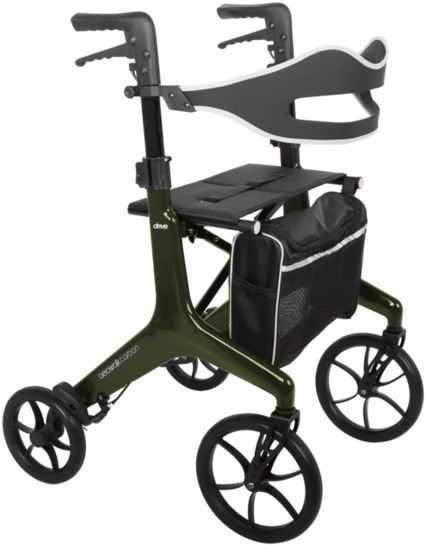
- The medical supplies category includes aids for everyday life, care, bathing and mobility. These include, for example, bath boards, shower stools, raised toilet seats, rollators, standard wheelchairs, lightweight wheelchairs, multifunction wheelchairs and transport wheelchairs. The products differ according to the place of use, load capacity, weight, dimensions and handling. As an overarching category, medical supplies serve as a guide between bathroom aids and mobility aids.
- How do I select the appropriate aid from the medical supplies range?
- You select the appropriate aid according to the place of use, body measurements, load capacity and the existing environment. Specific details such as seat height, overall width, maximum load, adjustment range, weight and folded dimensions are important. For bathroom products, the bathtub or toilet dimensions should be checked. For mobility aids, indoor or outdoor use, transportability and ease of operation are particularly relevant.
- What is the difference between bathroom aids and mobility aids?
- Bathroom aids are intended for use in the bathroom or WC, whereas mobility aids support movement or transport. Bathroom aids include, for example, bath boards, shower stools and raised toilet seats. Mobility aids comprise rollators, wheelchairs and transport wheelchairs. The selection criteria differ: in the bathroom, fit, stability and ease of cleaning are what count, while for mobility aids weight, folded dimensions and handling characteristics are also relevant.
- Which dimensions are particularly important when buying medical supplies?
- Width, height, adjustment range, folded dimensions and maximum load are particularly important. For bath boards, for example, the appropriate internal bathtub width is decisive, while for shower stools it is the base area and seat height. For rollators and wheelchairs, door widths, turning areas, handle width and dimensions when folded should be taken into account. This makes it easier to assess whether the aid is practical in the intended environment.
- What should I look out for with rollators and wheelchairs?
- For rollators and wheelchairs, you should compare the area of use, weight, width, folded dimensions and load capacity. For indoor use, compact dimensions and good manoeuvrability are important, whereas for outdoor use, sturdy wheels and robust construction are preferable. If the aid is transported frequently, a low weight and a simple folding mechanism are helpful. The width between the handles or the seat width should also suit the person using it.
- How important is the maximum load for medical supplies?
- The maximum load is a key safety and selection criterion. It indicates the weight up to which a product may be used according to the manufacturer's specifications. This value should not be exceeded, not even briefly. Particularly with shower stools, bath boards, raised toilet seats, rollators and wheelchairs, the load capacity should be observed together with stable set-up and correct use.
- Can medical supplies be used both privately and professionally?
- Depending on the product, medical supplies can be used both in a private setting and in care facilities or practices. What is decisive is that the aid suits the intended use, the person and the environment. In a professional setting, robust materials, easy cleaning, clear technical specifications and repeated use are additionally important. The respective manufacturer's instructions on use and care should always be observed.