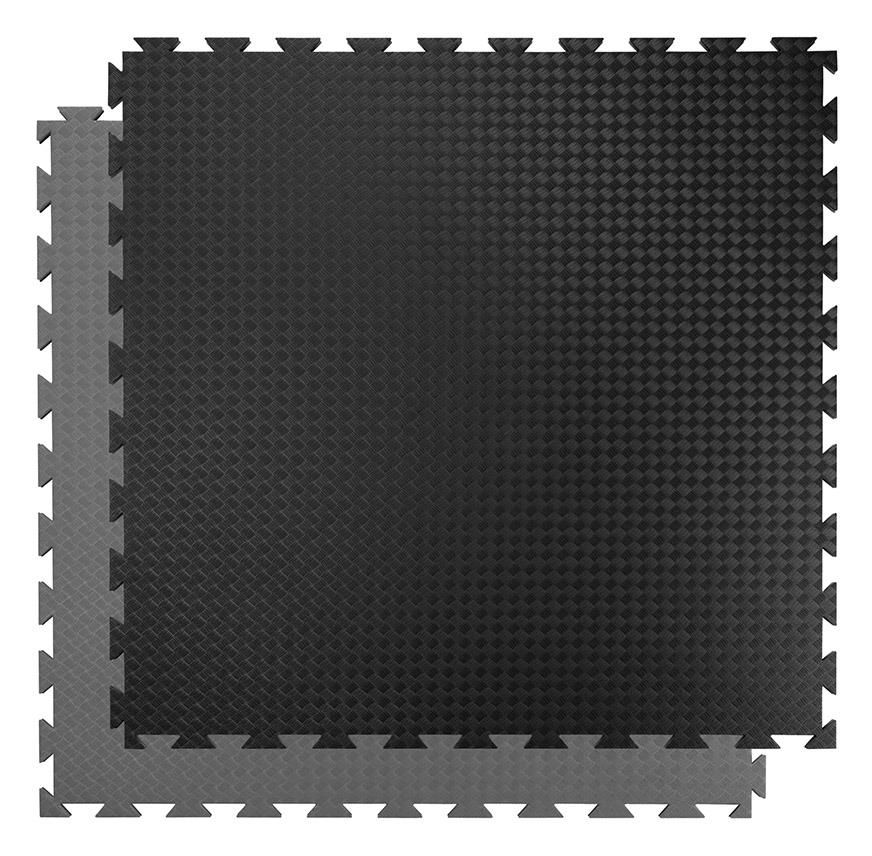
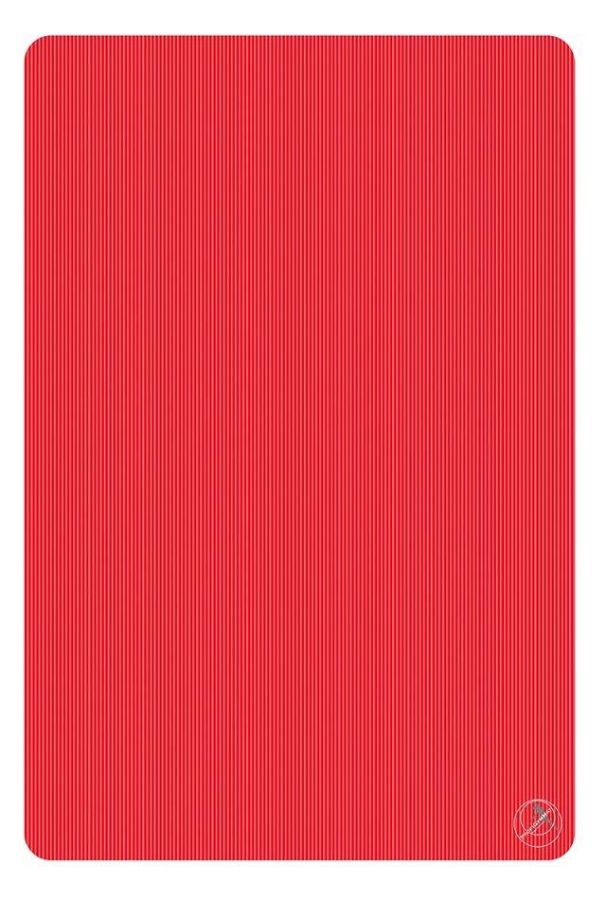
Fitness mats are an important component in the field of fitness and rehabilitation, particularly within physiotherapy supplies. They provide a padded, non-slip surface for a variety of exercises, whether for strengthening, stretching or relaxation. The Fitness Mats category comprises various product groups, including exercise mats, which are distinguished by different materials, firmness levels and designs.
Variety and selection criteria for fitness mats
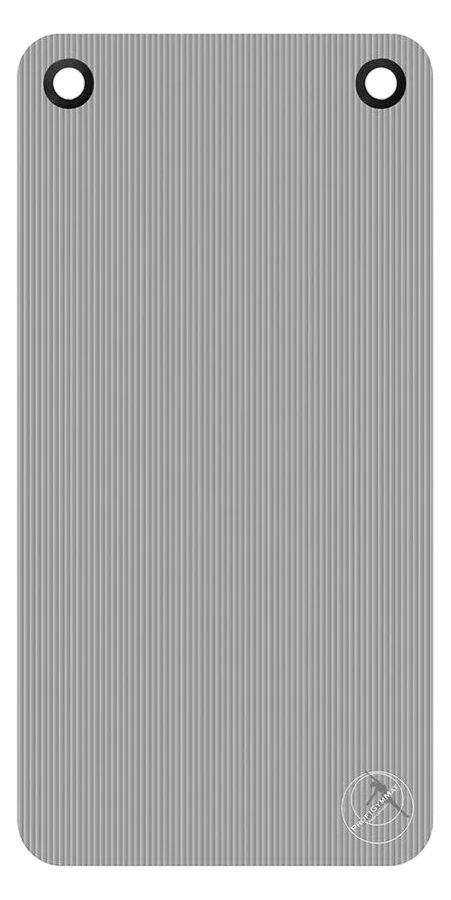
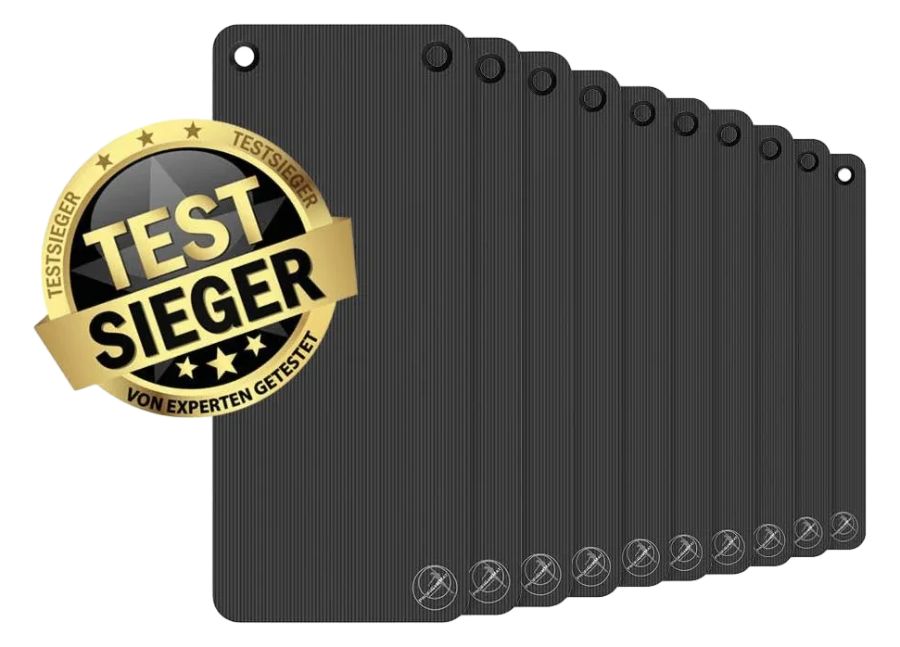
Fitness mats differ primarily in terms of material, thickness, firmness and features. Commonly used materials include NBR (nitrile butadiene rubber), which is valued for its elasticity and durability. The thickness of the mats is usually around 1 cm, providing sufficient padding for many applications. Firmness levels, measured in kg/m³, indicate the mat's density and comfort. In addition, some mats are equipped with eyelets that make hanging and storing easier.
Typical characteristics and areas of use
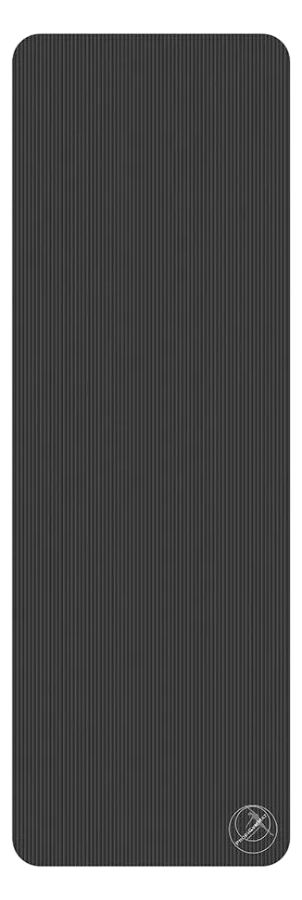
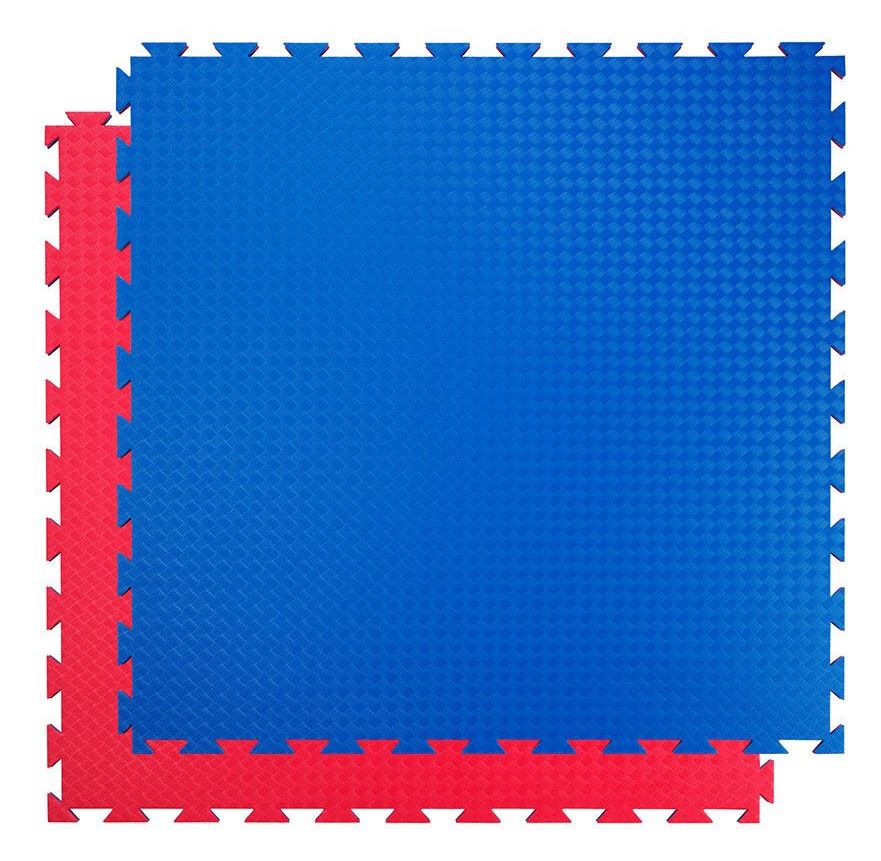
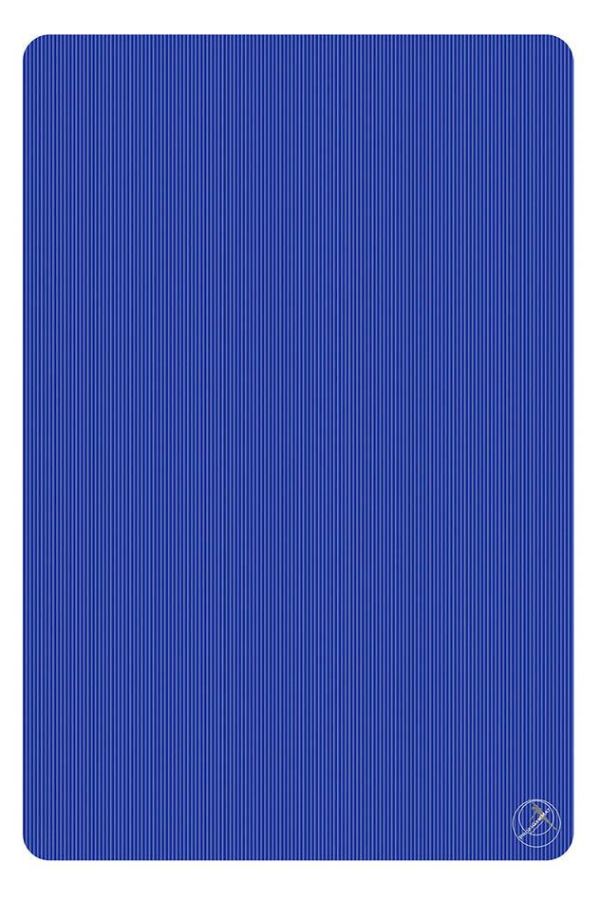
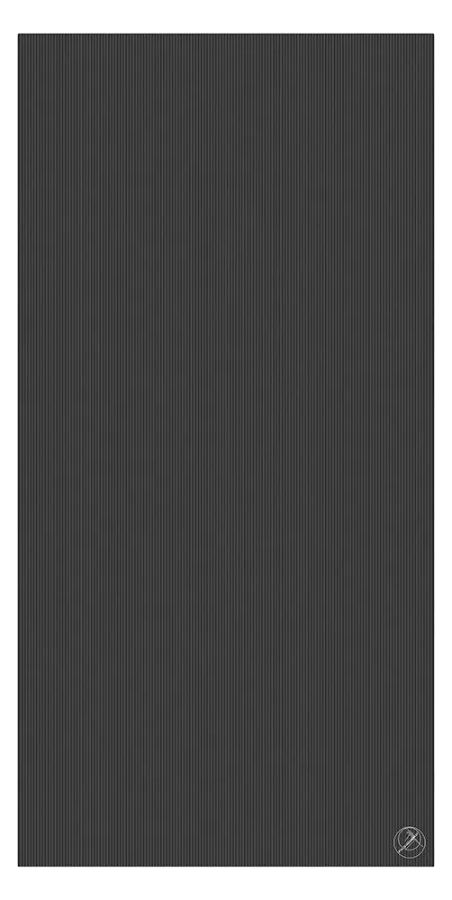
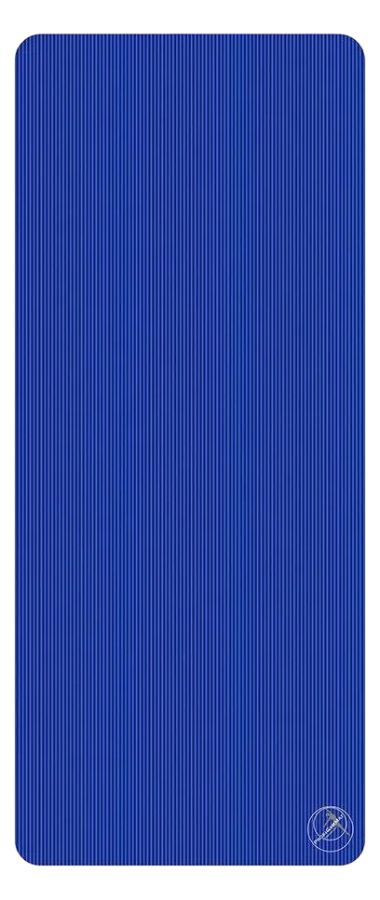
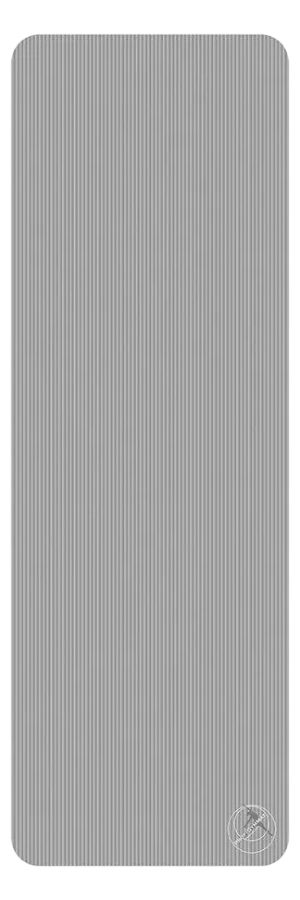
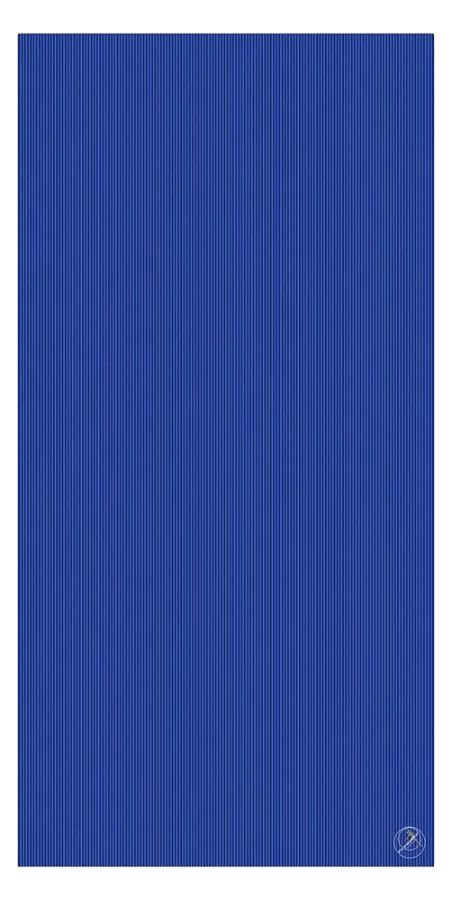
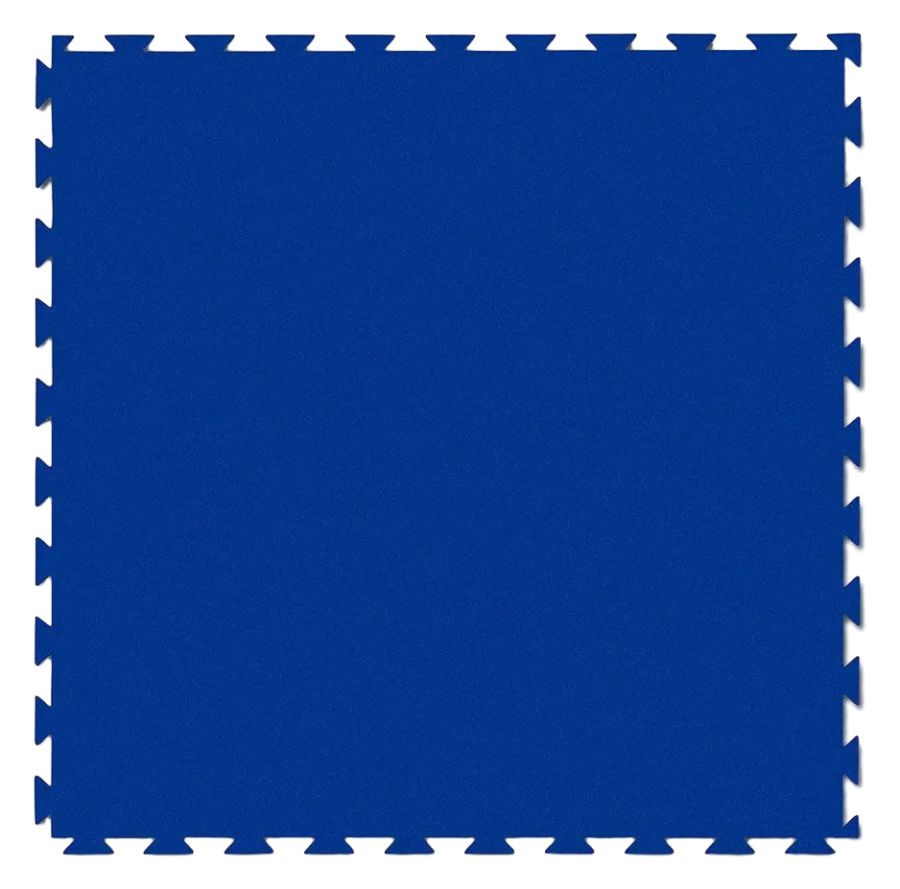
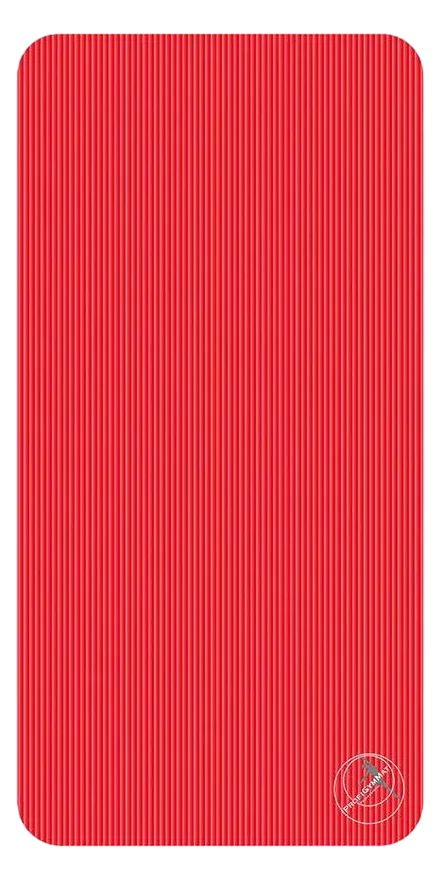
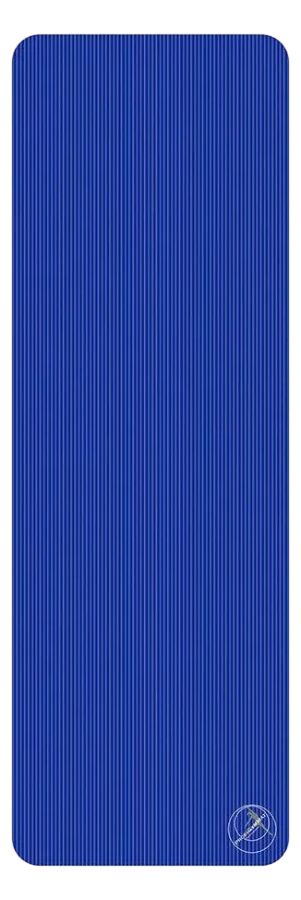
Fitness mats are available in various colours, including grey, anthracite, blue and red, allowing for individual selection. The dimensions are frequently 120 cm in length and 60 cm in width, providing a comfortable surface to lie on. The mats are suitable for use in physiotherapy, at the gym or at home, and support various training and rehabilitation programmes.
- Material: NBR for elasticity and durability
- Firmness: approx. 170 kg/m³ for optimal comfort
- Thickness: around 1.0 cm for sufficient padding
- Size: 120 x 60 cm as a standard dimension
- Colours: grey, anthracite, blue, red
- Optional eyelets for easy hanging
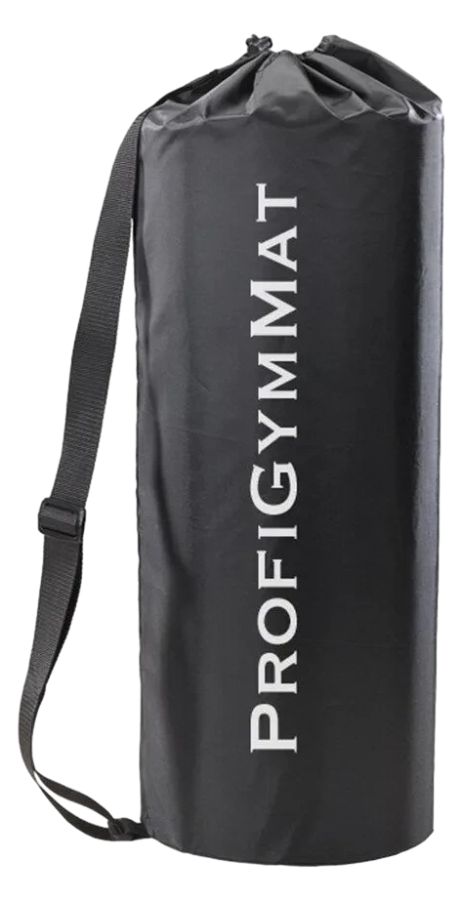
The brand trendy offers various models in this category, such as the ProfiGymMat Professional, which stand out for their quality and functionality. When purchasing a fitness mat, it is important to consider your individual needs and the intended area of use in order to select the right mat.