Is your meal plan sufficient or can a protein shake supplement? Decide based on your meals, concrete quantity examples and occasions for professional advice.
Published on
·12 min read
Image: saneq
Protein powder for seniors can be beneficial if regular meals do not sufficiently cover protein needs. Age alone is not a reason for a daily shake. This guide helps you and your relatives to first adjust the meal plan and assess a possible supplement.
A guide by the saneq editorial team based on the recommendations of FSVO, SSN and DGE as well as the manufacturer declarations of Sponser and Powerfood. The product examples come from our range; this is not an independent practical test. Status: September 2026. The orientation is aimed at independently living older adults, mostly from 65 years.
Do older people basically need protein powder?
No. Even in old age, a varied diet can cover protein needs. However, less appetite, changed preferences or difficulties shopping can make it harder to eat enough regularly. Therefore, check your actual meals before supplementing.
The official guidelines differ slightly: The SSN states about 1.0 g protein per kilogram of body weight daily from about 60 years. The DGE uses 1.0 g/kg from 65 years as an estimate for healthy people with normal weight. The FSVO recommendations from 2019 state at least 1.0–1.2 g/kg daily for healthy older adults. This always means the total protein intake, including foods.
These figures serve as guidelines for different target groups, not as individual prescriptions or additional powder amounts. In case of illness or severe overweight, please discuss the appropriate intake with a specialist. You can find the assessment of needs and weight table in the basic article Proteins: How much do you need per day?.
Protein contributes to the maintenance of muscle mass. Protein contributes to the maintenance of normal bones. These statements refer to the nutrient protein; they do not prove the superiority of a particular powder.
What can you first change on the meal plan with small meals?
First, add meals where a protein source is currently missing. For example, a breakfast of coffee, bread, butter and jam can be extended with quark or cottage cheese. At lunch, fish, eggs, tofu or legumes should have a place alongside vegetables and potatoes.
In case of low appetite, the FSVO recommends smaller, but more frequent meals, for example five to six throughout the day. This way, you do not have to manage large plates. Distribute the foods according to your preferences; a quark for afternoon tea may fit better into everyday life than a large dessert immediately after lunch.
Start with breakfast: Plan a protein supplier firmly instead of leaving it to chance.
If the plate becomes too much quickly, give the protein and starch side dish enough space. Vegetables and fruits remain part of the meal plan and can partly fit into another meal.
If drinks fill you up prematurely, drink rather after or between meals. Observe any medical drinking volume agreement.
Organise support for shopping or shared meals. A lunch table can also help to eat regularly and varied.
A meal consisting of a protein source, starch side dish and vegetables can be composed according to appetite. The picture does not show a calculated portion.
Image: saneq
Food quantities with about 10 g protein each
The following selection comes from the FSVO brochure "More protein for muscle health" from 2021. It shows rounded guideline values for the same protein amount. Actual contents vary depending on food and product; check the nutritional declaration on packaged foods.
Food
Amount for about 10 g protein according to FSVO
Milk
3 dl
Eggs
1.5 pieces
Meat or fish
50 g
Hard cheese
30 g
Soft cheese
60 g
Quark, cottage cheese, ricotta or whey cheese
100 g
Soy drink, enriched with calcium
3 dl
Tofu, Quorn or other meat substitute
100 g
Legumes, cooked
100 g
Nuts, kernels or seeds
30–50 g
The quantities are not complete meals and not a recommendation to eat every line daily. The FSVO groups combine different foods. Especially with meat substitutes and dairy products, it is worth looking at the specific label. Quorn is a fungal protein product; the table is not a classification into vegan and non-vegan foods.
What do about 20 g protein look like in a meal?
The FSVO ideally names 20 g protein from protein-rich foods at each of the three main meals in this brochure. As a kitchen example, 100 g cottage cheese and 30 g hard cheese according to the rounded table values give about 10 + 10 = 20 g protein. Bread and vegetables can be added. Their additional protein contribution is not included here.
The 20 g are a guideline for distribution, not a rigid mandatory amount and not a maximum intake. They do not replace the consideration of the whole day. Adequate energy and a varied food selection are also part of it.
When can a protein shake be a sensible supplement?
A protein shake can supplement if you find it difficult to reach the appropriate protein amount despite adjusted meals. The FSVO mentions protein powder as one option and recommends support from the general practice and nutritional counselling. What is actually missing in your diet is decisive.
Everyday situation
First sensible step
Role of a supplement
Reason for consultation
Breakfast usually without protein source
Plan quark, cheese, egg or a suitable alternative.
First check if food adjustment is sufficient.
Implementation remains difficult.
Small portions, quickly full
Try several small meals with protein and energy sources.
Powder can supplement an existing meal.
Appetite remains low or weight decreases.
Cooking or shopping becomes difficult
Organise shopping help, simple dishes or lunch table.
A shake can fill individual gaps.
Meals are regularly missed.
Usual protein suppliers no longer taste good
Try other foods and preparations.
A suitable formula can also be considered.
The selection becomes permanently very one-sided.
Unintended weight loss or swallowing problems
Contact general practice.
Have type and extent professionally determined.
Clarify promptly, even in case of overweight.
This table helps with planning and is not a diagnosis. An ordinary protein powder is also not automatically a complete nutritional drink. If too little is eaten overall, energy, fluids and other nutrients must be assessed as well. A high protein value alone does not answer this question.
Is a special senior protein necessary for this?
No. Composition, tolerance and planned use as a supplement to a balanced diet are decisive. The designation "senior" alone does not indicate whether a product suits you. A simple whey protein or a plant-based powder can also be considered.
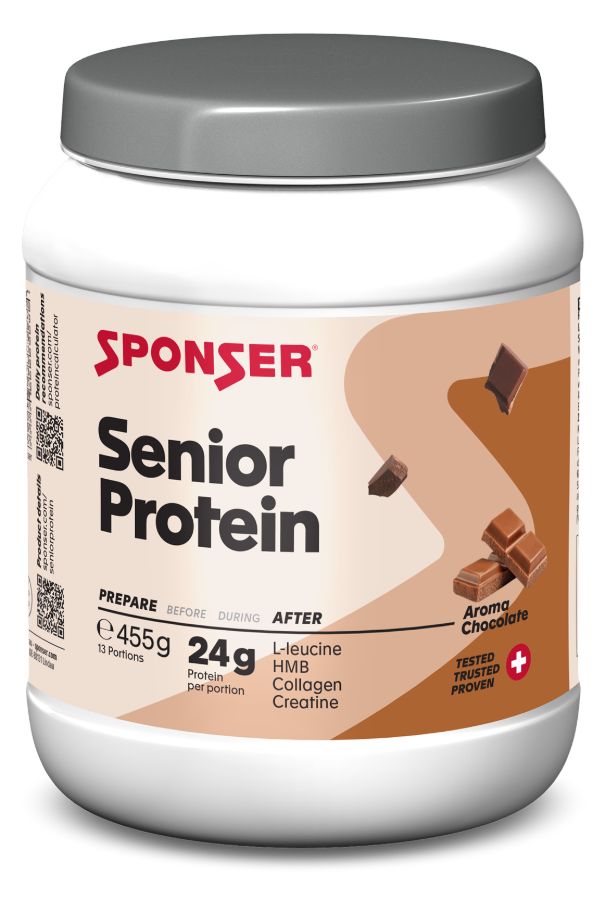
The Sponser Senior Protein tested chocolate flavour contains whey protein, bovine collagen, HMB, creatine and L-leucine as well as calcium, vitamin B12 and vitamin D. This describes the composition and does not justify superiority over other protein products. Have additional vitamin supplements or other supplements checked for overlapping ingredients.
An example quantity: Chocolate contains 66 g protein per 100 g powder according to the manufacturer. 35 g powder thus provide 35 × 66 ÷ 100 = 23.1 g protein; Sponser declares rounded 23 g. The manufacturer preparation is with 250 ml water. This supplementary portion is in the order of the above-mentioned 20 g but does not replace a complete meal and is not a recommendation to drink a shake at every meal.
Six examples from our range
The following products show different options for supplementing a balanced diet. The selection is not a ranking. The quantities refer to the mentioned varieties and the dry product, without milk or other preparation ingredients; status September 2026.
Sponser Senior Protein: Example of an enriched formula. Chocolate provides a calculated 23.1 g protein with 35 g powder. Check the additional ingredients.
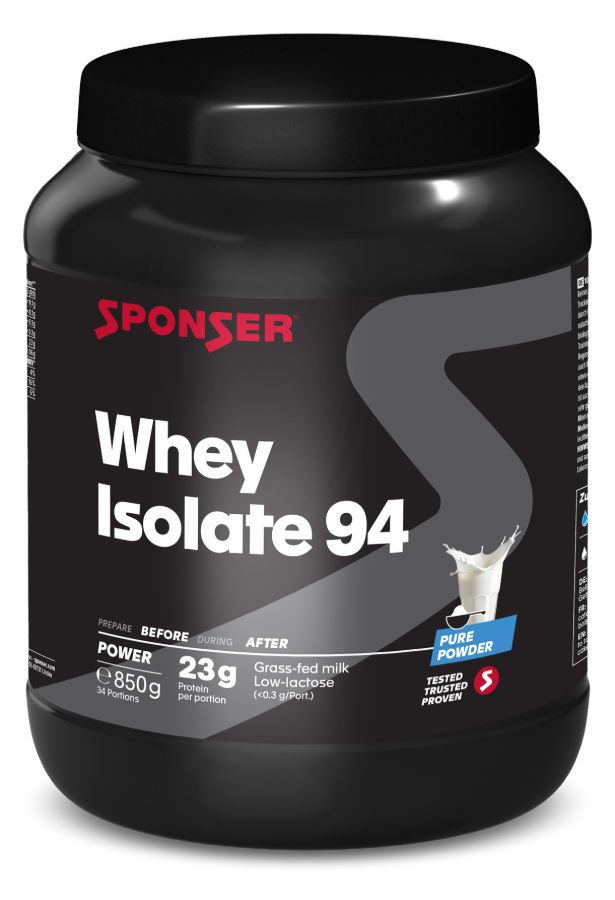
Sponser Whey Isolate 94: The neutral flavour is an option for supplementing foods. 25 g powder provide approximately 21.8 g protein at 87 g per 100 g calculated.
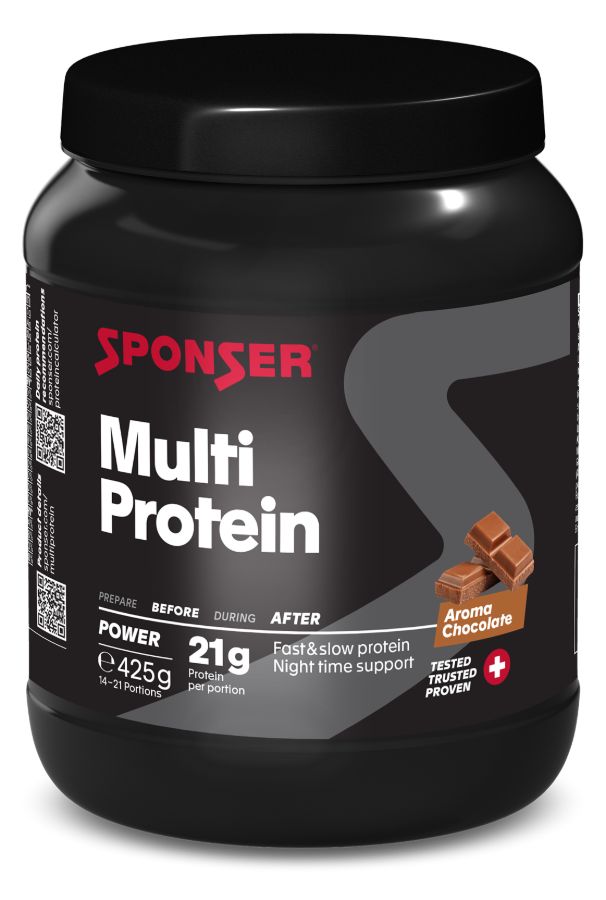
Sponser Multi Protein: Chocolate combines milk, whey and egg protein. 30 g powder provide 21 g protein; consider the contained allergens.
Powerfood One Boom Whey: Vanilla Ice is an example of a whey protein blend without a senior designation. 30 g powder provide 22.4 g protein.
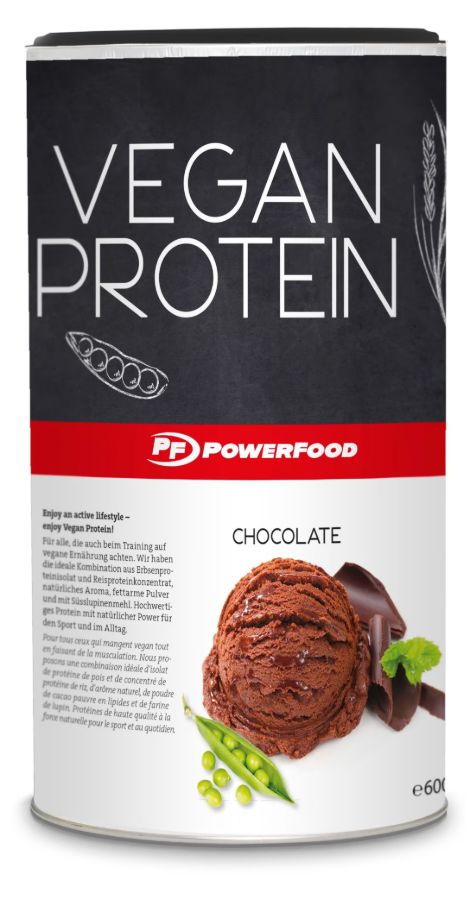
Powerfood One Vegan Protein: The plant-based alternative contains pea and rice protein as well as lupin flour in the tested vanilla flavour. 30 g provide 21 g protein. Vegan does not mean allergen-free.
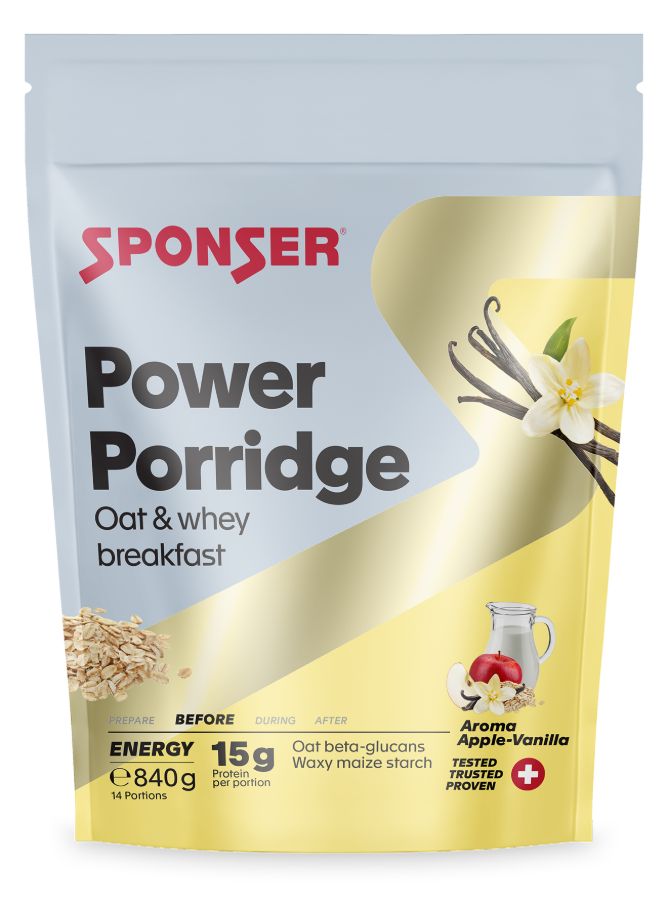
Sponser Power Porridge: A breakfast ingredient as an alternative to an additional drink. Apple-Vanilla provides 11.4 g protein with 60 g dry product; other ingredients count additionally.
Further variants can be found in the categories Protein and Sports nutrition. Choose first according to ingredients and planned use; a large pack is only worthwhile if taste and consumption fit.
How can a shake be integrated into everyday life as a supplement?
Assign it to a specific meal or snack where you want to supplement. A fixed place in the daily routine is more practical than an additional portion without reference to your meal plan. Consider the protein already contained.
Note what you actually eat and drink on some usual days. This also helps in discussions with nutritional counselling.
Choose a meal that is difficult to adjust with foods alone. Check whether a drink or a powder to stir in fits better.
Follow the preparation and consumption instructions of the specific variety. Calculate protein from milk or plant drink additionally.
Observe whether the supplement fits into your everyday life and whether the other meals continue to be eaten. If there are complaints or further decreasing appetite, seek professional advice.
Regular exercise is part of nutrition. FSVO and SSN recommend considering both in everyday life. Walking, gardening or a suitable exercise offer are possible starting points. Choose activities according to your possibilities and discuss limitations with a specialist.
Shared exercise can have a fixed place in everyday life, as can regular meals.
Image: saneq
When should you seek medical advice or nutritional counselling?
Seek advice if appetite decreases persistently, weight is lost unintentionally, eating causes complaints or a chronic illness is present. The FSVO also recommends individual counselling in case of severe overweight and planned dietary change.
Fatigue, less strength or a smaller amount of food do not prove a protein deficiency. Such observations at home cannot provide a reliable diagnosis. For advice, notes on meals, weight progression, complaints as well as medications and supplements are helpful. The specialist will assess whether a dietary adjustment, a supplement or further investigations are necessary.
What are common questions about protein powder for seniors?
The most frequent questions concern daily use, whey protein and supposed deficiency signs. Your overall diet and health situation remain decisive.
Frequently asked questions
It can be considered as a supplement to a balanced diet if there is an actual gap. A training programme is not a prerequisite. Without a gap, an additional portion is not automatically necessary; regular exercise remains a separate recommendation.
Whey protein can be a possible supplement. Check ingredients and tolerance. In case of a milk allergy, a milk protein product is not a suitable alternative; lactose-free does not mean free of milk protein. Have known allergies taken into account when choosing.
A general winning formula cannot be derived from this. Compare the appropriate protein amount, ingredients, additional nutrients, taste and application. A senior product is neither fundamentally necessary nor automatically the better choice.
A daily supplement can fit into a coordinated meal plan. However, the manufacturer's portion is not a mandatory portion for everyone. Count foods and other supplements; in case of illness, the amount must be individually clarified.
A single symptom does not allow self-diagnosis. Have persistent complaints or unintended weight loss medically examined. Nutritional counselling can additionally check what you actually eat and which adjustments are sensible.
The protein powders shown here are classified as a supplement to a balanced diet. A shake is not automatically a complete meal. If dinner is regularly missed, the entire supply should be professionally checked.
The following guide will lead you through the differences between powder types, package sizes and portion costs.
Still unsure? We support you with questions about our products and variants. For your personal protein amount in case of illness, persistent low appetite or weight loss, please contact your general practice or a recognised nutritional counselling service.