
Massage Rollers
Filters and sorting
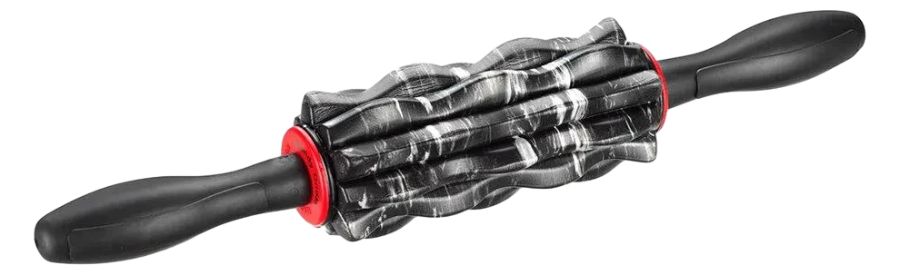
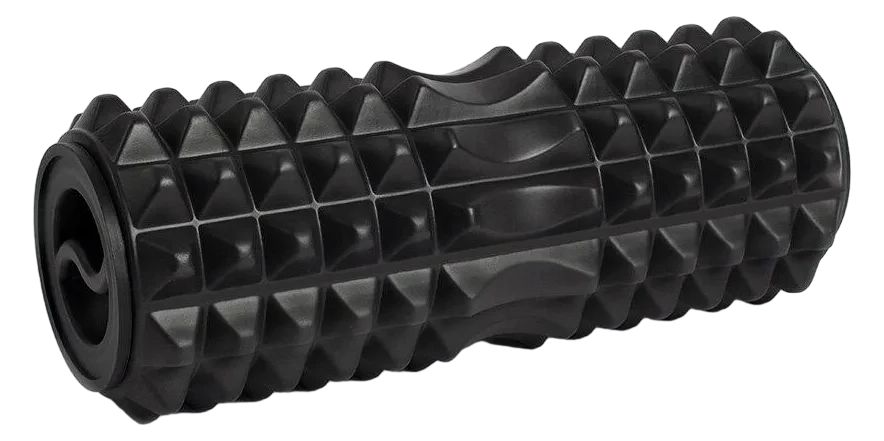
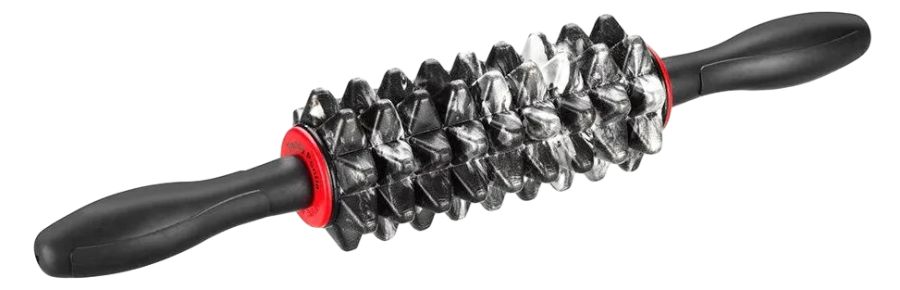
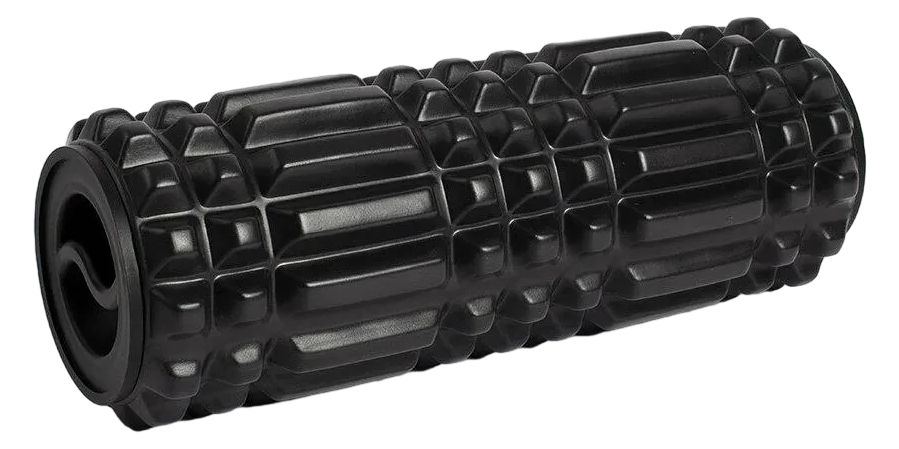
1 – 5 of 5
1 – 5 of 5 entries
Massage rollers are practical aids for massage, self-massage and exercises related to fascia and muscle care. They are used in therapy, training and wellness settings to apply pressure to the tissue in a controlled manner across a larger or smaller area. This category includes rollers and massage rollers in various designs, such as compact rollers, longer fascia rollers as well as suitable accessories like connectors. Depending on the model, typical dimensions include, for example, diameters of 7.0 cm, 9.5 cm or 14.5 cm as well as lengths of 6 cm, 30 cm or 39 cm. Materials used include EVA, which is frequently used for training and massage aids due to its low weight and dimensionally stable properties.
Which massage roller suits your application?
The choice depends primarily on whether a targeted or a more widespread application is desired. Narrower or shorter massage rollers can be guided precisely and are well suited to smaller body areas or to applications by hand. Longer fascia rollers offer more contact surface and are frequently used on the floor or on a mat. The diameter influences how high the position is above the floor and how large the contact surface is. Colours such as black, white, anthracite or red are mostly a matter of equipment and clarity in the practice or training environment.
- Compact massage rollers: suitable for controlled, hand-guided applications.
- Fascia rollers: for larger body areas and exercises using your own body weight.
- Connectors: can help combine individual elements, depending on the system.
- Material and size: important for weight, handling, stability and area of use.
Useful additions in massage supplies
Massage rollers are used dry or in combination with other products from the massage supplies range, provided this is suitable for the respective application. For manual treatments, massage oil or massage lotion are typical additions, while rubs are more likely to be chosen for preparatory or concluding applications. In addition, massage accessories such as mats or aids can support organisation in the practice, studio or at home.
Application, care and safety
With massage rollers, a calm, controlled application is important. Pressure and duration should suit your personal sensitivity, the body region and the training or therapy goal. In the case of acute complaints, open skin areas, unexplained pain or existing medical restrictions, the application should be clarified professionally beforehand. After use, a material-appropriate cleaning according to the manufacturer's instructions is recommended, particularly if the roller is used in a practice or by several people. This keeps the surface, hygiene and handling reliable over the long term.
- Which massage roller should I choose to get started?
- For getting started, a medium-sized, easily controllable massage roller is usually a sensible choice. A longer foam roller is well suited to larger areas of the body and floor exercises, whereas a compact massage roller can be guided more precisely by hand. A comfortable size, a suitable diameter and a surface that suits the intended use are important. If you are unsure or have any complaints, you should discuss your selection with a specialist.
- What is the difference between a massage roller and a foam roller?
- A massage roller is often used hand-guided, whereas a foam roller is usually used for exercises with your own body weight. Hand-guided rollers allow for a targeted dosing of pressure on smaller areas. Foam rollers offer more contact surface and are often used on the floor, for example on the back, legs or buttocks. The terms partly overlap; the key factors are the design, the size and the intended use.
- What role does the diameter play with massage rollers?
- The diameter influences the height, the contact surface and the feel during use. A larger diameter raises the body more and tends to distribute the pressure differently than a smaller roller. Smaller diameters can often be applied more precisely, but depending on the body region they may be perceived as more intense. When making your selection, you should take into account the body area, mobility and personal sensitivity to pressure.
- What material are massage rollers often made of?
- Massage rollers are often made from lightweight, dimensionally stable foams such as EVA. EVA is used in training and massage aids because it can be relatively robust, lightweight and easy to clean. However, the exact firmness, surface and care depend on the respective product. It is therefore worth checking the product details on material, dimensions and instructions for use before purchasing.
- How do you clean a massage roller correctly?
- A massage roller is usually cleaned with a damp cloth and a suitable mild cleaning agent. The manufacturer's instructions are decisive, as materials and surfaces can react differently. In a practice, studio or with shared use, regular cleaning is particularly important. After cleaning, the roller should dry completely before being stored or used again.
- Can I use massage rollers when I am in pain?
- If you are experiencing pain, a massage roller should be used only with caution and, in the case of unclear or severe complaints, not without a professional assessment. The application must not be excessively painful and should be stopped immediately if complaints increase. In the case of acute injuries, inflammation, open skin areas or medical restrictions, it is advisable to seek a medical or therapeutic assessment beforehand.
- What length is sensible for a massage roller?
- The right length depends on the body area and the application. Longer rollers, for example around 30 to 39 cm, offer more contact surface and are practical for larger areas or floor exercises. Very short rollers can be used more precisely and take up less space. For mobile use, practice organisation or smaller body regions, a compact variant can be a sensible choice.